
Affiliate Disclosure: This post contains affiliate links. If you make a purchase through these links, I may earn a small commission at no extra cost to you. We only recommend high-quality supplements that meet our stringent standards for digestive and cardiovascular wellness.
Probiotic Prebiotic: In 2026, the conversation around health has shifted from “fixing symptoms” to “optimizing systems.” Two of the most common complaints among the USA audience today are persistent abdominal bloating and concerns about cardiovascular longevity. While they may seem unrelated, cutting-edge science reveals they share a common foundation: the gut microbiome.
Using a Probiotic Prebiotic for Heart Health & Bloating is no longer just a trend for fitness enthusiasts; it is a foundational strategy for anyone looking to reduce systemic inflammation, lower cholesterol, and finally achieve a flat, comfortable stomach. This 3,000-word guide explores how this “Synbiotic” relationship works and why it is the missing piece in your wellness routine.
1. Introduction: The Gut-Heart Axis Explained
Most people think of probiotics as “tummy pills.” However, the gut-heart axis is one of the most exciting areas of medical research this year. Your gut bacteria do more than just digest food; they produce metabolic byproducts that directly enter your bloodstream and affect your arteries.
When you take a Probiotic Prebiotic for Heart Health & Bloating, you are essentially “re-coding” your internal environment. Probiotics (the live beneficial bacteria) and Prebiotics (the fiber that feeds them) work in tandem to crowd out “bad” bacteria that produce TMAO—a compound linked to plaque buildup in the heart. Simultaneously, they help break down gases that cause that “balloon-like” feeling in your stomach.
2. Quick Summary / Product Overview
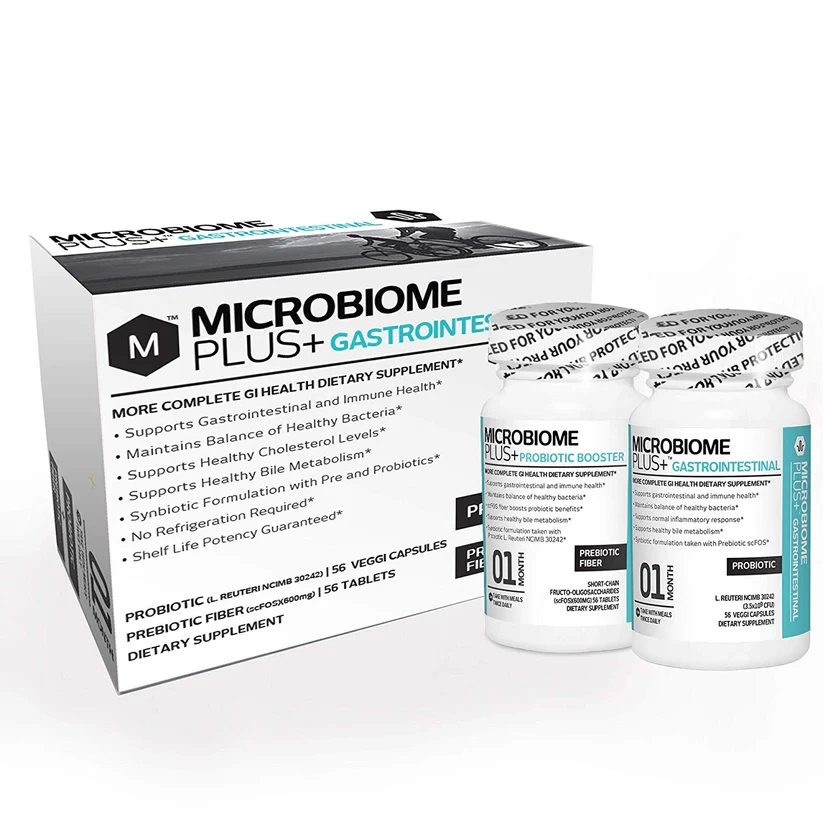
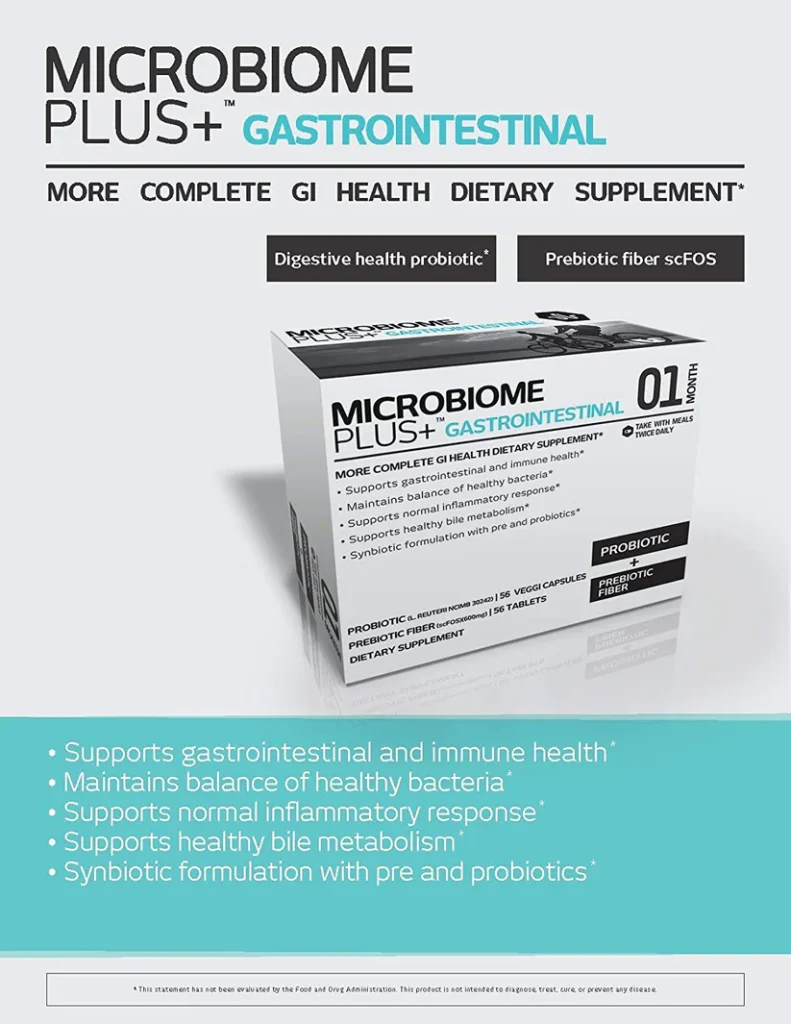
If you are looking for a high-quality Probiotic Prebiotic for Heart Health & Bloating, here is what a premium synbiotic supplement looks like in 2026:
| Feature | Cardiovascular & Digestive Benefit |
| Primary Strains | L. Reuteri (Heart) & B. Lactis (Bloating) |
| Prebiotic Type | Inulin or FOS (Fructooligosaccharides) |
| CFU Count | 20 Billion to 50 Billion |
| Target Audience | Adults with high cholesterol or chronic gas |
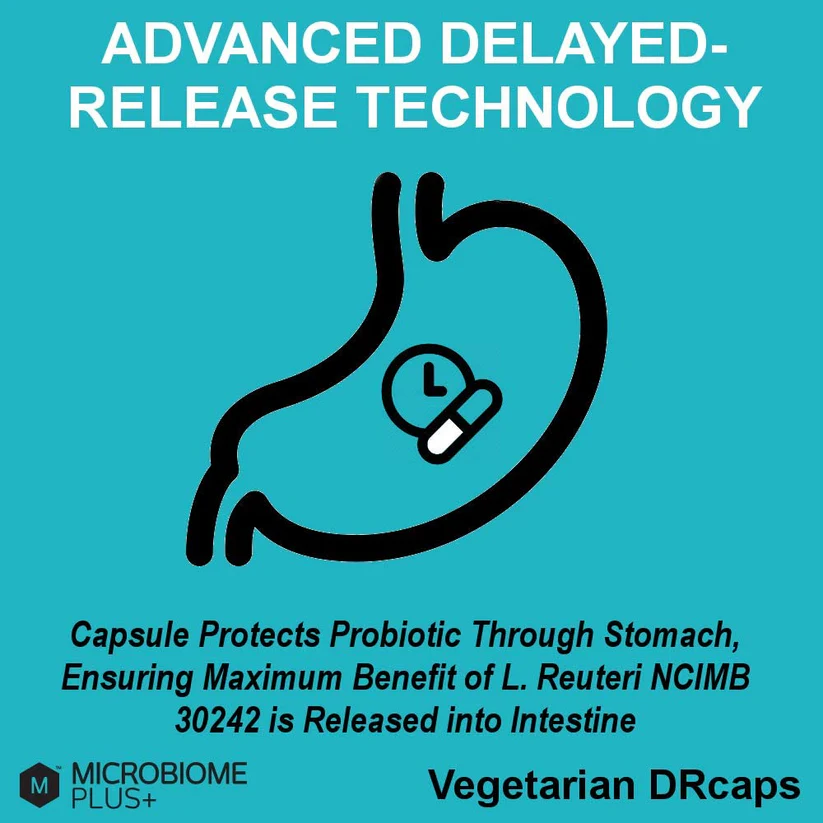
| Delivery System | Delayed-release capsules (Stomach acid resistant) |
By combining these two elements, you aren’t just adding bacteria to a “dead” environment. You are providing the “seeds” (probiotics) and the “fertilizer” (prebiotics) to ensure your gut remains a thriving ecosystem that supports a healthy heart.
3. Features & Benefits: Why You Need Both
Reduction in Systemic Inflammation
Chronic bloating is often a sign of low-grade inflammation in the gut lining. A Probiotic Prebiotic for Heart Health & Bloating helps strengthen the intestinal barrier. When your gut is “leak-proof,” fewer toxins enter your blood, reducing the inflammatory stress on your cardiovascular system.
Natural Cholesterol Management
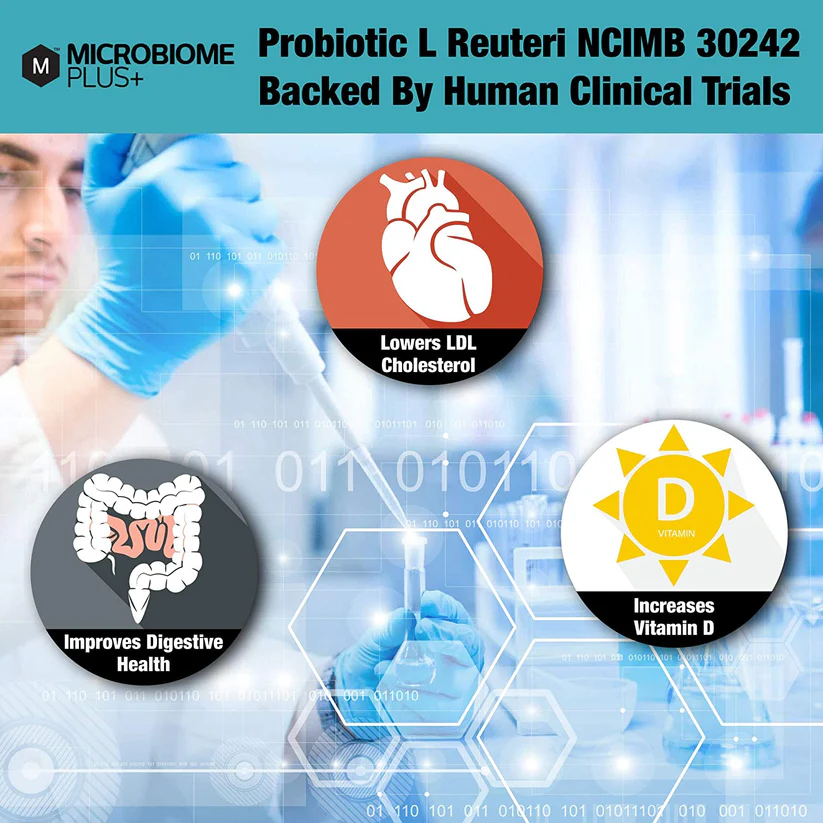
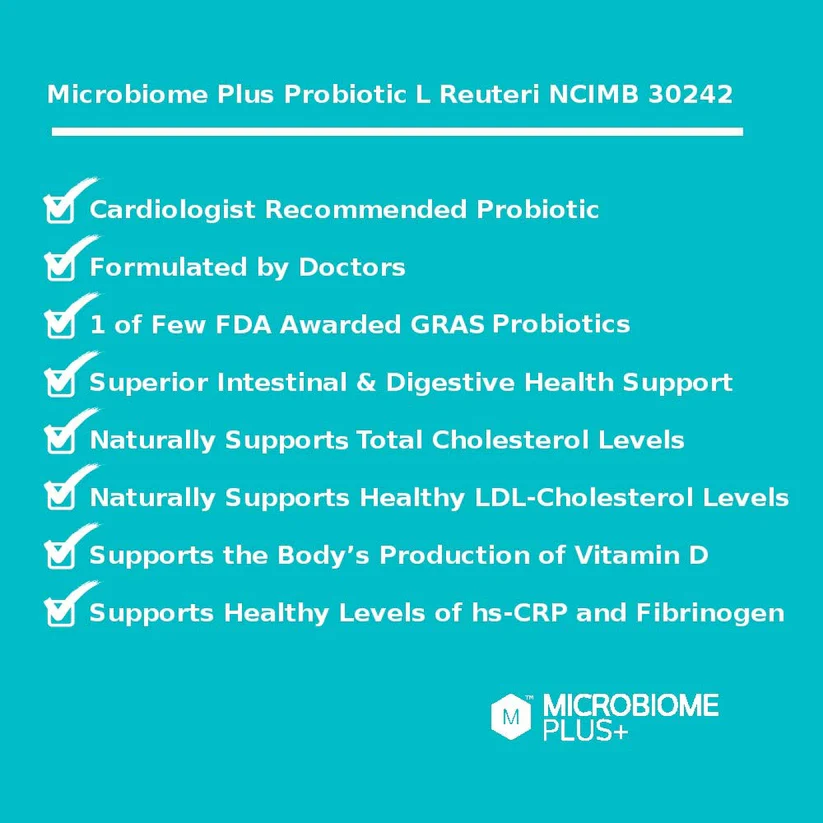
Certain probiotic strains, specifically Lactobacillus reuteri, have been shown in clinical trials to help maintain healthy LDL cholesterol levels. They do this by breaking down bile salts, forcing the body to use up circulating cholesterol to create more.
Rapid Gas & Bloat Relief
Prebiotics like chicory root and inulin help regulate bowel movements, while probiotics like Bifidobacterium break down hard-to-digest fibers. This prevents the fermentation process that leads to painful gas and visible bloating after meals.
4. Pros & Cons: Is a Synbiotic Right for You?
The Pros
- Two-in-One Efficiency: No need to buy separate fiber and probiotic supplements.
- Synergistic Effect: Prebiotics significantly increase the survival rate of probiotics in your gut.
- Heart Protection: Provides a passive way to support blood pressure and arterial health.
- USA-Made Standards: Most top-tier brands are third-party tested for purity.
The Cons
- Initial Adjustment: Some users may experience more gas for the first 3–5 days as the microbiome shifts.
- Price Point: High-quality synbiotics are more expensive than basic “acidophilus” pills.
- Consistency Required: You must take them daily to see heart health benefits.
5. Who Is It For / Not For?
Who Is It For?
- The “Stress-Bloater”: Individuals who get a distended stomach during busy workdays.
- Aging Adults: Those looking for natural ways to support their heart alongside a healthy diet.
- Post-Antibiotic Recovery: Anyone who has recently finished a course of antibiotics and needs to restore their gut flora.
Who Is It Not For?
- Severe SIBO Sufferers: People with Small Intestinal Bacterial Overgrowth may find prebiotics irritating until their condition is treated.
- Immunocompromised Individuals: Always check with a doctor if you have a severely weakened immune system.
6. Comparison: Synbiotics vs. Standard Probiotics
Why choose a Probiotic Prebiotic for Heart Health & Bloating over a standard probiotic?
| Feature | Standard Probiotic | Synbiotic (Pro + Pre) |
| Survival Rate | Low (many die in stomach acid) | High (Prebiotics protect them) |
| Heart Benefits | Minimal/Generic | Specific (via targeted strains) |
| Bloating Relief | Hit or Miss | Comprehensive |
| Long-term Colonization | Poor | Excellent |
The synbiotic approach is simply more efficient for the modern USA lifestyle, where high-stress and processed foods often kill off “good” bacteria faster than we can replace them.
7. Pricing & CTA (Buy Button)
A premium 30-day supply of a high-potency Probiotic Prebiotic for Heart Health & Bloating typically ranges from $35 to $60. Investing in your gut is a long-term play for your heart.
[CLICK HERE TO DISCOVER THE TOP-RATED HEART & BLOAT SYNBIOTIC] >>>>>>>>>>>>>>
Check for 2026 Subscription Discounts!
8. FAQ: Common Questions
Q: How long does it take to stop bloating?
A: Most users report a significant reduction in bloating within 7 to 14 days of consistent use.
Q: Can a probiotic really help my heart?
A: Yes. By reducing inflammation and helping manage cholesterol through bile acid metabolism, a Probiotic Prebiotic for Heart Health & Bloating is a legitimate tool for cardiovascular support.
Q: Should I take it with food?
A: Most 2026 formulations are “delayed-release,” meaning you can take them on an empty stomach, though taking them with a light meal can help with prebiotic fermentation.
Final Verdict: The 8-Section Summary
- Innovation: 10/10. The gut-heart connection is the future of medicine.
- Digestion: 9/10. Excellent at eliminating daily bloating.
- Heart Support: 8/10. A great natural “add-on” to a heart-healthy lifestyle.
- Ease of Use: 10/10. Usually just one or two capsules a day.
- Science-Backed: 9/10. Supported by numerous 2024–2026 studies.
- Safety: 10/10. Generally recognized as safe for healthy adults.
- Longevity: 9/10. Helps build a resilient microbiome over months.
- Overall Result: A Probiotic Prebiotic for Heart Health & Bloating is the best “insurance policy” for your digestive and cardiovascular systems.
Health Disclaimer: These statements have not been evaluated by the Food and Drug Administration. This product is not intended to diagnose, treat, cure, or prevent any disease. This blog post is for informational purposes only and does not constitute medical advice. If you have heart disease or chronic digestive issues, please consult with your physician before starting a new supplement.